Updated and contextualized version of an article originally published on May 4, 2014
The article retains its original focus by presenting it through a scholarly and accessible perspective, supported by verifiable references.
Authors
- Dr. A. Conte – Biologist
- Roberto Panzironi –Independent researcher
Note editoriali
- First publication: May 4, 2014
- Last update: April 18, 2026
- Version: 2026 narrative revision
EDITORIAL NOTE: This article was previously published and has been updated according to scientific and divulgative criteria. It is for informational purposes only and does not replace medical advice. For clinical or treatment decisions, consult a healthcare professional.
IN BRIEF
- Dietary fats are heterogeneous: their type, dose, and dietary context determine different effects on health and weight.
- Low carb and relatively high-fat diets can promote weight loss in the short-to-medium term, but long-term effects depend on the quality of fats and individual metabolic profile.
- Replacing trans fats or hydrogenated oils with unsaturated fats is associated with documented cardiovascular benefits; extra virgin olive oil is among the choices most supported by evidence.
- Highly processed seed oils and oxidized products can have adverse effects; the freshness and storage method of products (including supplements) affect quality.
Abstract: What does science say?
Fats are not a single, immutable block of risk. Scientific literature shows that certain dietary fat choices (e.g., good quality mono- and polyunsaturated oils, fish rich in omega-3) are associated with better cardiovascular outcomes and favorable lipid profiles, while trans fats and oxidized products increase risk. Low carb and calorie-controlled diets can facilitate weight loss in the short-to-medium term, partly due to increased satiety and metabolic changes; however, results depend on the fat composition, the quantity of carbohydrates replaced, adherence, and the clinical context. Observational and experimental data provide important insights, but translating them into recommendations requires caution: many effects are dependent on dose, duration, and nutrient substitution.
Why not all fats are created equal
The generic term "fats" includes molecules with diverse biological properties: saturated, monounsaturated, polyunsaturated (omega-3, omega-6), and trans fatty acids. Each class has different effects on metabolism, cholesterol, and satiety signals. Experimental and clinical evidence shows that replacing trans fats or saturated fats with polyunsaturated fats tends to improve certain cardiovascular outcomes, while simply counting calories does not describe the metabolic complexity of dietary choices [1].
Main types of fats and their roles
Saturated fatty acids are found in some animal products and tropical oils; monounsaturated fats (e.g., oleic acid) predominate in extra virgin olive oil; polyunsaturated fats include omega-6 (linoleic) and omega-3 (EPA, DHA). Industrial trans fats (hydrogenated margarines or cooking products) are consistently associated with a worse lipid profile and increased cardiovascular risk. The clear definition of types and their targeted replacement (not mere elimination) is central to assessing risk or benefit [2][3].
Which fats to choose and which to avoid
Modern evidence lines favor dietary patterns, not single nutrients: the Mediterranean model, with extensive use of extra virgin olive oil and regular fish consumption, shows reductions in cardiovascular events compared to control diets, with other dietary behaviors being equal [4]. Conversely, historical and experimental evidence indicates that industrial trans fats are detrimental to plasma lipids and the risk of coronary heart disease [5]. The high availability and increasing consumption of linoleic-rich seed oils (omega-6) during the 20th century is also well documented: this has altered the balance between omega-6 and omega-3 in the modern diet, with biological implications to be interpreted in the context of other dietary habits [6].
"Good" fats and "caution" fats
Monounsaturated fats (olive oil) and marine polyunsaturated fats (EPA/DHA) are associated with favorable effects when included in healthy dietary patterns. Practical choices include preferring cold-pressed oils, non-industrial fish, and unprocessed nuts/seeds in moderate amounts. Avoiding or reducing industrial trans fats and limiting the repeated use of oils at high temperatures reduces exposure to potentially harmful oxidation products [5][6][7].
Relevant biological mechanisms: satiety, metabolism, and inflammation
Fats influence hunger and energy intake through intestinal and hormonal signals. The entry of fat into the intestine stimulates the release of peptides (e.g., cholecystokinin, peptide YY) that reduce appetite and slow gastric emptying; the site of intestinal exposure (e.g., ileum) seems to modulate the intensity of the satiety signal [2]. These mechanisms partly explain why meals richer in fats (if of good quality) can increase the feeling of satiety and reduce overall energy intake in some people.
Inflammation, oxidation, and lipid quality
Molecules derived from fatty acid oxidation can have pro-inflammatory effects; therefore, the freshness of oils and storage methods are important. Fish oil capsules, like many oils, can oxidize if poorly stored: reports of oxidative products in retail supplements have been noted and indicate the need for quality control [7]. The balance between omega-6 and omega-3 influences the production of eicosanoids and inflammation mediators, but the clinical translations of this balance require interpretive caution [6].
What science says about weight loss
Numerous randomized studies and meta-analyses show that low carb and relatively high-fat diets can produce greater weight loss in the short-to-medium term compared to low-fat diets, especially when followed with good adherence [1]. However, the effects at 12 months and beyond tend to converge across different approaches, and the quality of fats used (unsaturated versus saturated or trans) influences lipid profiles and metabolic markers.
In practice, the "slimming" effect does not come from fat content alone, but from how fats alter satiety, appetite, meal composition, and overall energy intake. Replacing refined carbohydrates with quality proteins and fats alters post-meal glycemia and can promote reduced spontaneous caloric intake, at least for a period [1][2].
Selection of oils and foods: evidence and caution
Experimental meta-analyses show that the composition of dietary fats influences the total cholesterol/HDL ratio and other lipoproteins: replacing carbohydrates with fatty acids tends to elevate HDL, but the effect on LDL and cardiovascular risk depends on the type of fat replaced [3]. The Mediterranean pattern, with extensive use of extra virgin olive oil, is among the most robustly associated with a reduction in cardiovascular events in primary prevention RCTs [4].
Conversely, trans fats and some industrial hydrogenated products increase LDL and reduce HDL with a consistent association with increased coronary risk; for this reason, public health policies have limited or banned many trans fats in packaged foods [5].
Practical section: What this means in practice
For a person interested in losing weight and improving metabolic health, some general, non-prescriptive guidelines are reasonable based on the evidence:
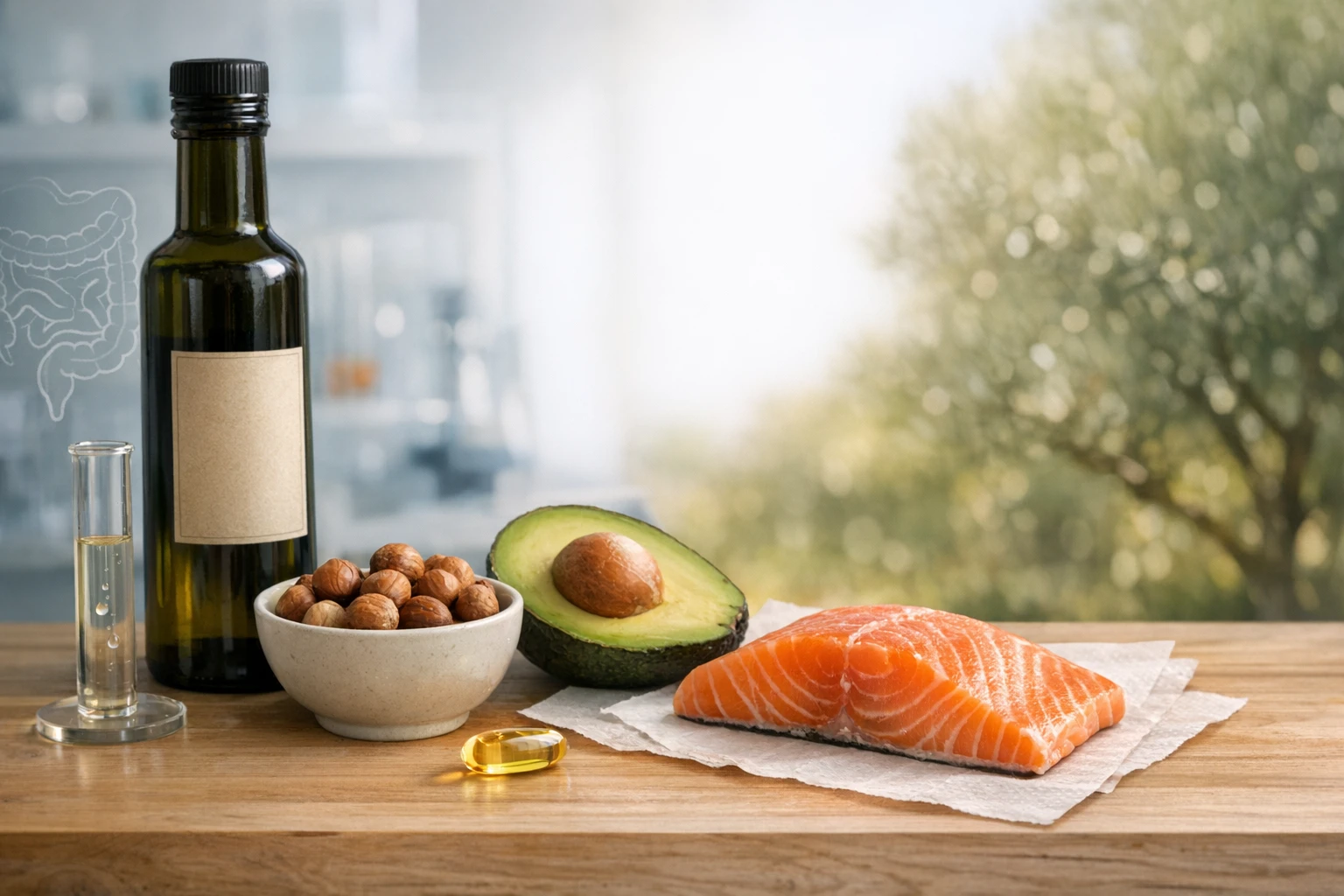
- Prefer unprocessed fat sources: extra virgin olive oil, unsalted nuts, avocado, oily fish; these foods are part of dietary patterns associated with favorable outcomes [4].
- Limit or avoid industrial trans fats (hard margarines, industrial baked goods with hydrogenated oils) due to documented lipid and cardiovascular risks [5].
- If choosing a low carb strategy, keep in mind that weight loss depends on adherence and the quality of fats chosen; evidence indicates short-to-medium term advantages but not absolute long-term superiority over other approaches [1].
- Store and use oils correctly (small stock, dark containers, avoid prolonged heat exposure) to reduce oxidation; fish oil supplements can also show variability in quality and oxidation levels [7].
- For specific clinical conditions (hypercholesterolemia, diabetes, cardiovascular diseases), consult a doctor or nutritionist to adapt fat choices to individual needs.
Limitations of evidence
It is important to distinguish between observational studies and causal evidence from randomized trials: observational data provide useful associations but are subject to residual confounding; trials can demonstrate causal effects but often have limitations in duration, population, and adherence. Meta-analyses and systematic reviews show sometimes divergent results, partly due to methodological differences and choices regarding comparison (e.g., what replaces fat in the diet). Some critical points:
- Many studies evaluate intermediate outcomes (cholesterol, triglycerides) rather than long-term clinical events; interpretation must be cautious [3].
- The net effect on health depends on which nutrient is reduced or replaced: replacing saturated fats with polyunsaturated fats can be beneficial, replacing them with refined carbohydrates less so.
- Individual variability: metabolic response to the same diet can differ due to insulin status, gut microbiota, genetics, and eating behavior.
Editorial conclusion
Dietary fats are not intrinsically "good" or "bad": their impact depends on the type, quality, quantity, and overall dietary context. Evidence suggests that preferring quality unsaturated fats, limiting trans fats, and paying attention to the freshness and treatment of oils is a strategy consistent with metabolic and cardiovascular prevention. Low carb diets can facilitate weight loss in the short term, but the optimal choice must consider overall cardiometabolic health and individual preferences.
FINAL NOTES
For further reading: the "Scientific Research" section lists the main studies cited, with verified DOIs for transparency and verifiability.
SCIENTIFIC RESEARCH
- Mansoor N, Vinknes KJ, Veierød MB, Retterstøl K. Effects of low-carbohydrate diets v. low-fat diets on body weight and cardiovascular risk factors: a meta-analysis of randomized controlled trials. Br J Nutr. 2016;115:466–479. https://doi.org/10.1017/S0007114515004699
- Hankir M, et al. Effect of fat saturation on satiety, hormone release, and food intake. Am J Clin Nutr. 2009;89(4):1019–1024. https://doi.org/10.3945/ajcn.2008.27335
- Mensink RP, Zock PL, Kester AD, Katan MB. Effects of dietary fatty acids and carbohydrates on the ratio of serum total to HDL cholesterol and on serum lipids and apolipoproteins: a meta-analysis of 60 controlled trials. Am J Clin Nutr. 2003;77(5):1146–1155. https://doi.org/10.1093/ajcn/77.5.1146
- Estruch R, Ros E, Salas-Salvadó J, et al.; PREDIMED Study Investigators. Primary prevention of cardiovascular disease with a Mediterranean diet. N Engl J Med. 2013;368:1279–1290. https://doi.org/10.1056/NEJMoa1200303
- Mozaffarian D, Katan MB, Ascherio A, Stampfer MJ, Willett WC. Trans fatty acids and cardiovascular disease. N Engl J Med. 2006;354:1601–1613. https://doi.org/10.1056/NEJMra054035
- Blasbalg TL, Hibbeln JR, Ramsden CE, Majchrzak SF, Rawlings RR. Changes in consumption of omega-3 and omega-6 fatty acids in the United States during the 20th century. Am J Clin Nutr. 2011;93(5):950–962. https://doi.org/10.3945/ajcn.110.006643
- Albert BB, Derraik JG, Cameron-Smith D, et al. Fish oil supplements in New Zealand are highly oxidised and do not meet label content of n-3 PUFA. Sci Rep. 2015;5:7928. https://doi.org/10.1038/srep07928
- Siri-Tarino PW, Sun Q, Hu FB, Krauss RM. Meta-analysis of prospective cohort studies evaluating the association of saturated fat with cardiovascular disease. Am J Clin Nutr. 2010;91(3):535–546. https://doi.org/10.3945/ajcn.2009.27725
- Volek JS, et al. Effects of a very high saturated fat diet on LDL particles in adults with atherogenic dyslipidemia: a randomized controlled trial. PLoS One. 2017;12(2):e0170664. https://doi.org/10.1371/journal.pone.0170664
- Gaeini G, et al. Dose-dependent effect of coconut oil supplementation on obesity indices: a systematic review and dose-response meta-analysis of clinical trials. BMC Nutr. 2025;11:113. https://doi.org/10.1186/s40795-025-01090-6
- Abdelhamid AS, Brown TJ, Brainard JS, et al. Omega-3 fatty acids for the primary and secondary prevention of cardiovascular disease. Cochrane Database Syst Rev. 2018;7:CD003177. https://doi.org/10.1002/14651858.CD003177.pub3
Sources and links: clickable DOIs to verify the cited studies. If any specific data (e.g., individual recommended dosages for clinical situations) is needed, consult a healthcare professional.