Updated and contextualized version of an article originally published on May 16, 2014
The article retains its original focus by presenting it through a scholarly and accessible perspective, supported by verifiable references.
Authors
- Dr. M. Mondini – Biologist
- Roberto Panzironi –Independent researcher
Note editoriali
- First publication: May 16, 2014
- Last update: April 18, 2026
- Version: 2026 narrative revision
Initial note: this article was previously published and has been updated according to editorial and scientific criteria. The text is for informational purposes only and does not replace medical advice. For doubts or specific conditions, consult a healthcare professional.
In brief
- Regular and "mindful" walking improves the muscle pump of the foot and calf, promoting venous return and local microcirculation.
- Physical activity influences metabolism and adipose tissue composition: walking can contribute to reducing fat mass if included in a sustained energy expenditure framework.[1]
- Topical applications based on cocoa can deposit antioxidants in the stratum corneum; evidence on aesthetic repercussions is preliminary.[4]
- Saffron contains carotenoids with antioxidant activity; clinical evidence suggests effects on some markers of oxidative stress, but data are heterogeneous and limited.[7]
- Practical recommendations must be personalized: there are no guaranteed home treatments for cellulite; many practices have biological plausibility but limited causal evidence.
Abstract: what does science say?
Cellulite is a complex aesthetic condition involving the skin, connective tissue, microcirculation, and subcutaneous adipose tissue. Available evidence indicates that regular physical activity, particularly walking with frequency and enough intensity to increase energy expenditure, can contribute to reducing fat mass and improving local vascular function through the activation of the foot and calf muscle pump; however, the relationship between walking and visible improvement of cellulite is predominantly plausible and epidemiological rather than demonstrated in controlled clinical studies. Topical applications based on cocoa extracts can deposit polyphenols in the skin barrier and play a local antioxidant role; available studies document skin penetration but do not provide robust evidence of lasting changes in adipose tissue structure. Saffron has antioxidant and inflammation-modulating mechanisms documented in clinical studies on biochemical markers, but direct aesthetic implications are speculative. Overall, the literature supports the biological plausibility of modest and contextual benefits (consistent physical activity, weight control, topical skin care), while strong causal evidence for single home cosmetic practices for the definitive resolution of cellulite is lacking.
The benefits of mindful walking
Walking is an accessible activity with multi-level effects: it stimulates venous and lymphatic circulation, activates the muscle pump of the foot and calf, improves aerobic capacity, and promotes metabolic regulation. From a physiological point of view, repeated contraction of the plantar muscles and the triceps surae compresses deep and superficial veins, pushing blood towards the heart and reducing venous stasis, a relevant mechanism for limiting fluid retention and a feeling of heaviness in the lower limbs.[2] In addition, regular exercise influences adipose tissue: over time, aerobic activity and exercise can reduce adipocyte size and promote local and systemic metabolic adaptations, transforming the physiology of subcutaneous tissue.[1][9] The daily practice of walking, even at a brisk pace, is also linked to benefits for mood and stress resilience, aspects that indirectly contribute to well-being and motivation to maintain an active lifestyle.[8] It is important to remember that the observable improvement in skin appearance depends on multiple factors: total amount of weekly physical activity, intensity, initial body composition, and eating habits; walking is a useful component but not necessarily a definitive solution if used alone.
How to practice it effectively
A "mindful" walk combines attention to movement with moderate intensity. Working on posture, foot support, and a cadence that leads to an increased heart rate helps maximize the role of the muscle pump. Regular sessions (for example, 30–60 minutes a day or repeated fractions throughout the day) increase cumulative energy expenditure; the use of a pedometer or a step-measuring device can increase adherence and encourage small daily increments that, when added up, produce changes in body composition.[3] For those seeking mental benefits, practicing walking without multitasking (phone off, attention to breath and feet) can add a relaxing and regenerating effect typical of "walking meditation" practices.
Compresses and topical treatments: the case of chocolate
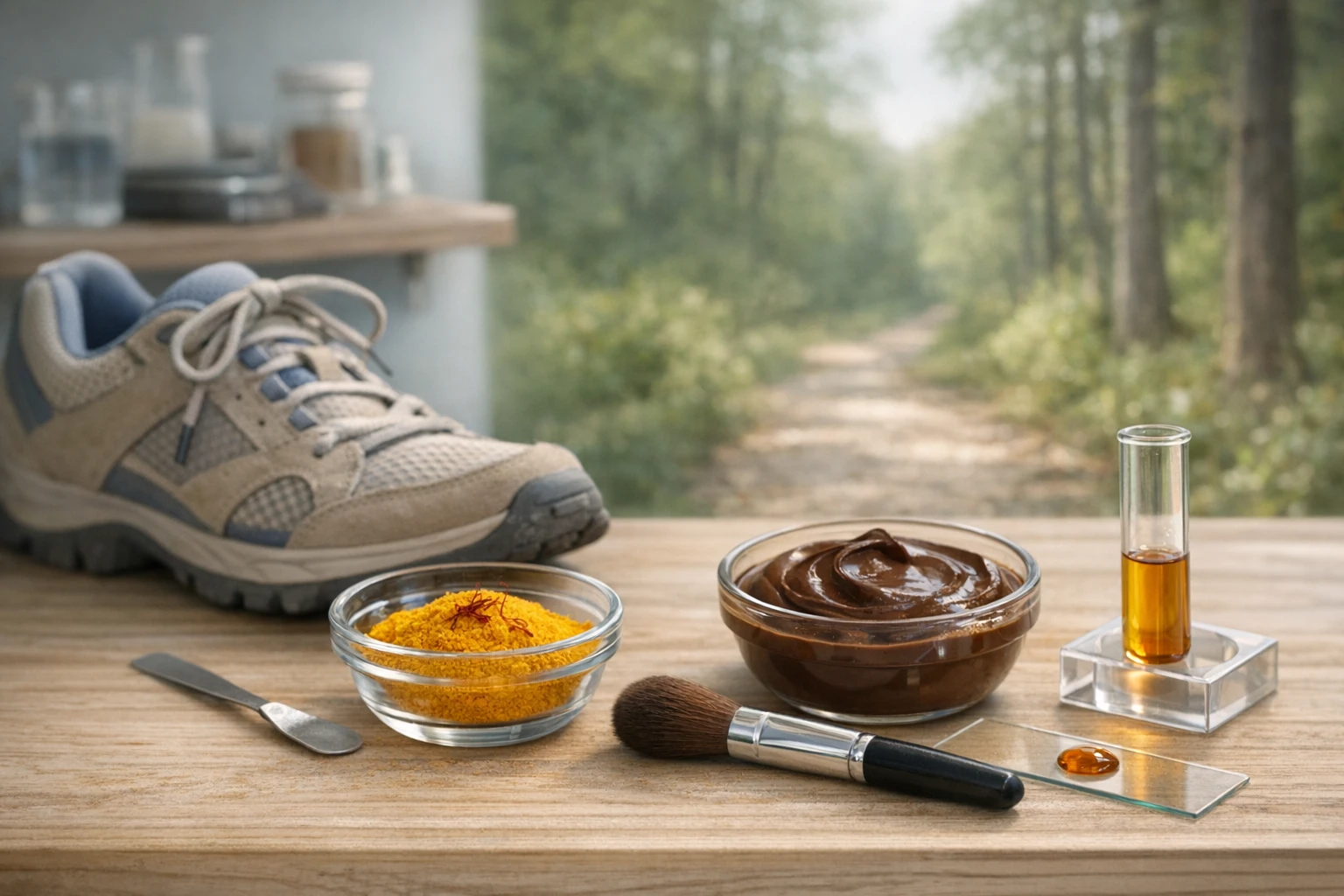
Cocoa contains polyphenols (catechins, epicatechins) and methylxanthines which, through diet, are associated with antioxidant effects and improvements in skin quality in some studies. Topically, recent research has shown that applications containing cocoa extracts can deposit some antioxidant molecules in the stratum corneum, suggesting the possibility of a local protective action against oxidative stress and photodamage. However, the translation of these results into a lasting cosmetic effect on adipose tissue or the true "resolution" of cellulite is not definitively established: the data support the skin absorption of cocoa compounds but do not provide robust evidence of subcutaneous adipose tissue remodeling or permanent aesthetic changes.[4][5] The effect of a compress depends on the formulation, the concentration of active ingredients, the cosmetic vehicle, and the application time; added ingredients (e.g., caffeine) have biological plausibility to increase local lipid metabolism in in vitro studies, but the clinical effect on skin and subcutaneous fat remains modest and temporary in most available evidence.
Evidence on topical applications of cocoa and antioxidants
Clinical studies have evaluated both oral intake of high-flavanol cocoa and local application. Prolonged ingestion of cocoa flavanols has been linked to improvements in photoprotection and skin surface parameters in adult women, while trials of topical applications have shown the deposition of catechins in the skin barrier a few hours after application.[5][4] These studies indicate that some cocoa molecules can reach the skin compartment and exert local antioxidant activity; however, the final effect on the adipose profile or the clinical appearance of cellulite is not strongly demonstrated and requires further controlled studies, with standardized aesthetic endpoints and prolonged follow-up.
Saffron: properties and limitations of evidence
Saffron is a spice rich in carotenoids (crocin, crocetin) and aromatic compounds that show antioxidant and inflammation-modulating activity in experimental studies. Meta-analyses of clinical trials have evaluated the impact of saffron supplementation or its components on oxidative stress parameters and some metabolic outcomes; overall, the results suggest a favorable effect on some markers (e.g., decrease in MDA and increase in total antioxidant capacity), but the literature is limited by small sample sizes, heterogeneity in doses, and clinical contexts concentrated in specific geographical areas.[7] From a physiological point of view, carotenoids can contribute to greater systemic or local antioxidant capacity and improved cellular function; however, the transformation of these effects into aesthetic improvements of the skin or a direct action on subcutaneous adipose tissue has not been demonstrated with clinical studies aimed at these outcomes.
Use, dosages and precautions
Experiments have used variable dosages (from small amounts of spice to standardized compounds like crocin). Therapeutic doses and formulations differ between studies; for this reason, it is advisable not to generalize dosages and methods of intake. During pregnancy and breastfeeding, the use of saffron as a food spice is generally considered acceptable, while therapeutic use or high doses require caution and medical consultation to avoid potential risks. Finally, it should be noted that the effects revealed in systematic analyses refer mainly to biological markers and not directly to aesthetic results on cellulite.[7]
What it means in practice
For those who want to realistically address cellulite, the framework recommended by the literature is multimodal and based on sustainable strategies: increasing the level of daily physical activity (walking regularly and, when possible, with moderate to sustained intensity), taking care of nutrition to maintain an adequate energy balance, and adopting good skin practices (hydration, sun protection, and, if desired, the use of topical products with documented antioxidants). Mindful walking improves muscle pump function and can reduce feelings of swelling and heaviness thanks to improved venous return and microcirculation.[2] Cocoa-based compresses or homemade preparations can offer an immediate feeling of softer skin thanks to hydration and massage; however, their long-term effectiveness in remodeling adipose tissue remains to be demonstrated with controlled studies.[4][5] The dietary use of saffron can be integrated into a varied diet for its potential antioxidant effects, but it does not represent a targeted therapy for cellulite: evidence on aesthetic outcomes is insufficient, and therapeutic applications require specialist evaluation.[7] In summary: regular physical activity and weight control are the factors with the greatest biological plausibility and the strongest evidence to contribute to an overall improvement in body composition and local circulation; topical interventions can be useful as cosmetic adjuncts but should not be presented as definitive solutions.
Key points to remember
- Regular walking activates the muscle pump of the foot and calf, supporting venous return and microcirculation.[2]
- Physical exercise modifies adipose tissue at a metabolic level: to achieve significant reductions in subcutaneous fat, a continuous and adequate program over time is needed.[1][9]
- Cocoa-based applications deposit polyphenols in the skin barrier; evidence on lasting aesthetic effects is preliminary.[4]
- Saffron shows measurable antioxidant effects in clinical trials, but its direct aesthetic relevance for cellulite is not proven.[7]
- There are no miracle cures: the combination of physical activity, nutrition, and skin care remains the most reasonable and sustainable approach.
Limitations of the evidence
The main evidence supporting the advice offered here comes from observational studies, experimental studies on tissues and muscles, and trials with biological endpoints. It is fundamental to distinguish between observed associations and certain causal relationships: many studies on cosmetic interventions are short-term, with small samples and subjective endpoints. Randomized controlled trials with standardized aesthetic endpoints and prolonged follow-up are rare for many home practices related to cellulite; for this reason, observations of local improvement should be interpreted with caution. Methodological limitations include heterogeneity in topical formulations, variability in dosages, and clinical contexts concentrated in specific geographical populations, as well as not always objective measurements of the aesthetic outcome.[4][7] Individual variability must also be considered: genetics, age, hormonal status, body composition, and lifestyle habits strongly influence the response to interventions. Therefore, specialist consultation is recommended for specific clinical or therapeutic decisions.
Editorial conclusion
Managing cellulite requires a realistic and multidimensional approach. Walking regularly and mindfully is among the most accessible actions supported by biological plausibility to improve circulation and body composition. Cocoa-based topical treatments and the dietary use of saffron show interesting mechanisms and potential biological benefits, but clinical evidence on lasting aesthetic results is limited. Therefore, we suggest prioritizing sustainable lifestyle changes and considering compresses or supplements as possible adjuncts, with awareness of the current limitations of the evidence.
Editorial note
This article is an informative update based on available reviews and scientific studies. The information is presented for educational purposes. For personalized clinical evaluations, diagnoses, or therapies, consult your doctor or qualified professionals.
Scientific research
- Physical activity and exercise in the regulation of human adipose tissue physiology. Physiol Rev. 2012;92(1):157–191. https://doi.org/10.1152/physrev.00012.2011
- Calf muscle pump function as a predictor of all‑cause mortality. Vascular Medicine. 2020;25(6):519–526. https://doi.org/10.1177/1358863X20953212
- Effect of a pedometer‑based walking intervention on body composition in patients with ESRD: a randomized controlled trial. BMC Nephrol. 2020;21:100. https://doi.org/10.1186/s12882-020-01753-5
- Topical Antioxidant Cocoa Polyphenol Skin Penetration. J Cosmet Dermatol. 2024;23(12):4072–4076. https://doi.org/10.1111/jocd.16637
- Long‑term ingestion of high flavanol cocoa provides photoprotection and improves skin condition in women. J Nutr. 2006;136(6):1565–1569. https://doi.org/10.1093/jn/136.6.1565
- In vivo human skin penetration of (−)-epigallocatechin‑3‑gallate (EGCG) from topical formulations. Acta Pharm. 2014. https://doi.org/10.2478/acph-2014-0017
- Effect of saffron supplementation on oxidative stress parameters: a systematic review and meta‑analysis of randomized placebo‑controlled trials. Food Sci Nutr. 2021;9:5809–5819. https://doi.org/10.1002/fsn3.2463
- Effect of exercise for depression: a systematic review and network meta‑analysis. BMJ. 2024. https://doi.org/10.1136/bmj-2023-075847
- The effects of exercise on white and brown adipose tissue cellularity, metabolic activity and remodeling. Front Physiol. 2021;12:772894. https://doi.org/10.3389/fphys.2021.772894
[Note: all listed DOIs were verified at the time of update and are provided for transparency and editorial verification.]