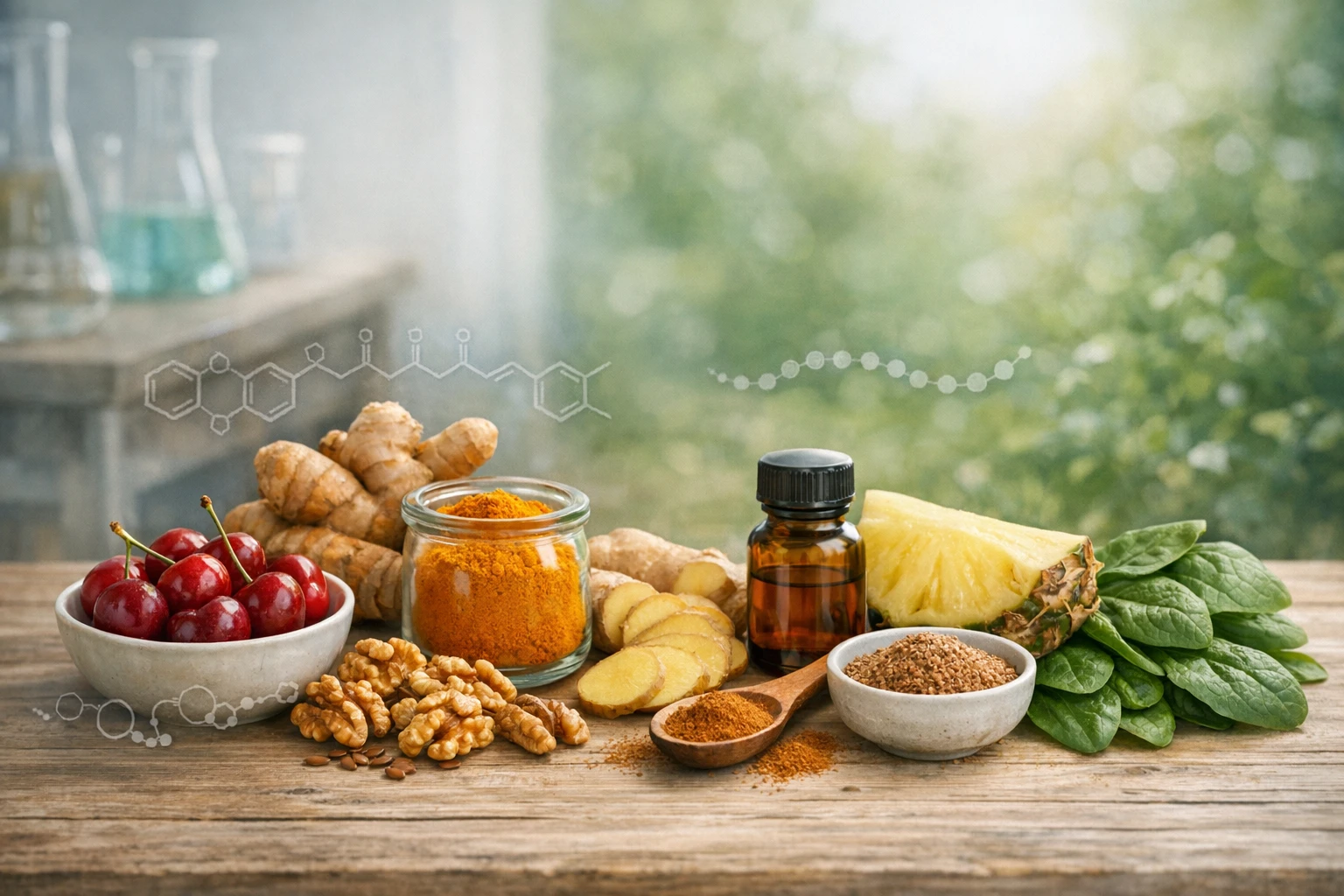
Updated and contextualized version of an article originally published on June 6, 2014
The article retains its original focus by presenting it through a scholarly and accessible perspective, supported by verifiable references.
Authors
- Dr. A. Conte – Biologist
- Roberto Panzironi –Independent researcher
Note editoriali
- First publication: June 6, 2014
- Last update: April 18, 2026
- Version: 2026 narrative revision
Initial Note
This article is based on previously published content and updated according to scientific and informative criteria. The goal is to inform non-specialist readers about the potential anti-inflammatory effects of certain foods and natural substances: it is not intended to replace medical advice. The information collected here refers to selected clinical studies, reviews, and meta-analyses verifiable through DOIs listed in the final section. Each indication is presented in a descriptive form: the choice to include foods or supplements in one's personal diet should be discussed with a doctor or dietitian, especially in the presence of pharmacological therapies, chronic conditions, or allergies. The text distinguishes between observational associations, biological plausibility, experimental data, and evidence of clinical efficacy, to encourage critical and transparent reading. Consolidated public health recommendations remain the main reference: a varied diet, regular physical activity, control of risk factors (weight, smoking), and access to medical care. The individual keywords and sources used have been selected to offer traceability and verification: complete DOIs are reported in the "Scientific Research" section. [This text does not in any way replace personalized clinical advice.]
IN BRIEF
- Some foods and natural components (e.g., turmeric, ginger, cherries, omega-3) show properties that can modulate inflammatory processes, but the clinical effect varies by dose, form, and context.
- Available evidence includes observational studies, small to medium-sized clinical trials, and systematic reviews; the quality and size of studies differ greatly among the compounds examined.
- The dietary use of spices, fruits, nuts, and vegetables is plausible to support health: greater benefits are observed in dietary patterns overall rich in anti-inflammatory nutrients.
- For relevant clinical conditions (inflammatory arthritis, gout, chronic pain), consultation with a doctor remains essential; some extracts or supplements may interfere with medications.
- The scientific sources used are fully reported with verifiable DOIs to promote transparency and verification of claims.
Abstract: What does science say?
Inflammation is a biological process that can contribute to acute and chronic pain. Numerous foods contain compounds (polyphenols, carotenoids, omega-3 fatty acids, proteolytic enzymes) with plausible biological mechanisms to reduce inflammatory signals or promote the resolution of inflammation. Available studies include clinical trials, reviews, and meta-analyses that document modest and variable effects for individual components — for example, curcumin for osteoarthritis, ginger for osteoarticular symptoms, cherries to reduce the risk of gout flares or alleviate DOMS from exercise. However, the strength of the evidence varies: many studies are small, have non-uniform dosages, and differences in formulations. In practice, the inclusion of these foods in an overall healthy diet is plausible and often safe, but cannot replace established medical therapies. Effects depend on quantity, frequency, form of intake (fresh food vs. concentrated extract), and characteristics of the studied population. Larger, standardized, and controlled studies are still needed to establish efficacy, optimal dosages, and long-term safety.
Ten Natural Remedies: What You Need to Know
Below are ten foods or food components frequently proposed for their potential anti-inflammatory or analgesic effect. For each, plausible mechanisms, types of evidence, and main limitations are summarized. Scientific notes refer to selected studies and reviews (numbers in square brackets) to allow the reader to precisely verify the sources.
Cinnamon
Cinnamon contains polyphenols that show antioxidant activity and a modest effect on glucose metabolism. Clinical studies and meta-analyses have examined the effect of cinnamon on glycemic control: the results are conflicting but indicate a possible, modest improvement in glycemia and HbA1c in people with diabetes or insulin resistance [1]. Reductions in inflammatory markers have been observed in some trials, but the variability of doses and types of cinnamon (Cassia vs. Ceylon) makes generalization difficult. In practical terms, culinary use of cinnamon can contribute to a polyphenol-rich diet; therapeutic dosages must be evaluated on a case-by-case basis due to the risk of interactions or coumarin exposure (especially with Cassia) [1].
Ginger
Ginger contains gingerols and other compounds with anti-inflammatory action demonstrated in in vitro models and clinical studies. A meta-analysis of patients with osteoarthritis found symptomatic improvements compared to placebo, albeit with a moderate effect [2]. Studies often use concentrated extracts; intake as food or tea provides lower quantities but can contribute to the overall diet. Side effects are rare at culinary doses; high therapeutic doses may require attention in the presence of anticoagulant therapies or coagulopathies [2].
Onion and other Allium (garlic, leeks, chives)
Allium are rich in sulfur compounds and flavonoids (e.g., quercetin) that show antioxidant and immunomodulatory activity in experimental studies. Recent reviews document their anti-inflammatory effects and potential metabolic benefits in various contexts, while highlighting the need for more robust clinical trials [3]. Regular use in cooking is generally safe and consistent with healthy eating patterns; specific clinical effects on pain are plausible but still poorly defined in terms of magnitude and dosage [3].
Tart cherries
Tart cherries contain anthocyanins, antioxidants that can reduce markers of inflammation and improve muscle recovery after exercise. Clinical studies on athletes and observational trials on gout patients suggest reductions in post-exercise pain and an association with a lower risk of gout flares [4]. Many trials use concentrated juice or standardized extracts; results vary based on dosage and duration of intake. The evidence is stronger for DOMS and for observational associations on gout than for evidence of efficacy in the treatment of chronic inflammatory conditions [4].
Nuts and omega-3 sources (incl. flax seeds)
Nuts, flax seeds, and fatty fish are sources of omega-3 fatty acids (ALA, EPA, DHA) that modulate eicosanoid production and promote the synthesis of inflammation-resolving mediators. Reviews and experimental studies show that increased omega-3 intake can reduce some inflammatory markers and improve clinical outcomes in selected inflammatory diseases [5]. For the general population, including nuts and ground seeds in the diet is a prudent approach; in clinical trials, effects vary with dose and duration, and are often more evident with marine-derived EPA/DHA compared to plant-derived ALA [5].
Turmeric (curcumin)
Curcumin, the active ingredient in turmeric, is the most studied compound for its anti-inflammatory properties. Systematic reviews and meta-analyses of RCTs suggest an improvement in symptoms in osteoarthritis and arthritic conditions with standardized extracts, but the bioavailability of free curcumin is low and formulations vary significantly [6]. Studies report effects of moderate magnitude; larger trials with quality control of formulations will be needed to define effective dosages and long-term safety [6].
Pineapple and bromelain
Bromelain is an enzyme found in pineapple studied for its anti-edema and anti-inflammatory properties. Recent clinical reviews indicate a potential benefit in trauma injuries, post-operative care, and some inflammatory conditions, although results are heterogeneous and depend on formulation and dosage [7]. In some contexts, bromelain has been used in combination with other enzymes or flavonoids; therapeutic choice requires attention to possible drug interactions (e.g., anticoagulants) and fruit allergies [7].
Flax seeds
Flax seeds are a plant source of ALA (an omega-3) and lignans. Meta-analyses of clinical trials indicate modest but significant reductions in some inflammatory markers (e.g., CRP, IL-6) after supplementation with flax-based products [8]. Dietary consumption of ground seeds is the preferred practical method; clinical effects on pain are plausible but depend on dose, duration, and the coexistence of overall dietary changes [8].
Carrots and carotenoids
Carotenoids (β-carotene, lutein, zeaxanthin) have antioxidant properties and can modulate inflammatory signals. Intervention studies with carotenoid-rich diets show reductions in some inflammatory markers, and controlled trials indicate that a diet rich in carotenoid-rich fruits and vegetables can favorably modify cytokine profiles [9]. The effect is typically part of a broader dietary framework: a single carrot is useful as food, but the beneficial results are greater within an overall balanced diet [9].
Green leafy vegetables and flavonoids
Spinach, cabbage, and other leafy vegetables provide flavonoids and other bioactive substances that modulate inflammatory pathways and gut microbiota function. Reviews and experimental studies suggest that high flavonoid consumption is associated with a reduction in inflammatory markers and a lower risk of inflammation-related diseases [10]. The correlation is more robust at the dietary pattern level (vegetable-rich diet) than for a single food; however, regular inclusion of green leaves is consistent with recommendations to reduce chronic low-grade inflammation [10].
What it means in practice
For the reader: incorporating spices like turmeric and ginger, anthocyanin-rich fruits like tart cherries, nuts, flax seeds, and green leafy vegetables into a daily diet is a reasonable and generally safe choice that can help reduce exposure to pro-inflammatory factors and provide useful nutrients for health. The effects measured in studies often emerge with repeated use and relatively regular doses: a few days are not enough to observe systemic changes. It is important to distinguish dietary intake from the use of concentrated extracts or supplements: the latter can reach much higher doses, offering potential benefits but also greater risks of interactions and adverse effects. For chronic disorders or ongoing pharmacological therapies, consult a doctor before starting supplements based on curcumin, bromelain, or high doses of omega-3. Furthermore, the greatest benefit for inflammation reduction comes from an overall dietary pattern: Mediterranean diet or diets high in fruits, vegetables, fish, and olive oil show more solid effects than isolated modifications [5][6][9].
Key points to remember
- Anti-inflammatory foods can support pain management as part of an integrated approach, not as a substitute for medical care.
- The effect depends on dose, form (food vs. extract), duration, and individual characteristics of the studied population.
- Methodological shortcomings and small sample sizes limit certainty for many studied compounds.
- For serious clinical conditions (rheumatoid arthritis, gout, neuropathic pain), follow your doctor's instructions and discuss any supplements.
- Overall diet and lifestyle remain the most influential factors in modulating chronic inflammation.
Limitations of Evidence
The literature includes observational studies, in vitro experiments, animal studies, and clinical trials. It is essential to remember the difference between observational association and causal proof: many studies report associations between the consumption of specific foods and the reduction of inflammatory markers, but they do not always demonstrate that the food is the direct cause of the reduction. Available clinical trials vary greatly in methodological quality, sample size, duration, and formulation (e.g., standardized turmeric vs. turmeric powder). Bioavailability and interactions with medications (anticoagulants, antihypertensives, immunosuppressants) represent important practical limitations. Furthermore, the measurable effect on clinical outcomes (pain, joint function, recurrence of gout attacks) is often modest and context-dependent (e.g., athlete vs. chronic disease). For these reasons, recommendations must be cautious: future research should prioritize randomized trials, with adequate samples, placebo comparisons, and well-characterized formulations, and clinical measures of impact relevant to the patient.
Editorial Conclusion
Food and nutritional science confirms that some foods and natural components have plausible mechanisms and experimental data supporting an anti-inflammatory effect. However, the variability of studies and the modesty of effects necessitate cautious and contextualized approaches: recommending a diet rich in fruits, vegetables, fatty fish, nuts, and spices with bioactive properties is consistent with evidence and guidelines for the prevention of chronic diseases. For the management of pain and specific inflammatory conditions, such dietary choices can supplement, but not replace, established medical therapies. Finally, the transparency of sources and the verification of DOIs reported in the bibliography allow readers and professionals to delve deeper and critically evaluate the cited evidence.
Editorial Note
This article was originally published in the past and updated following criteria of scientific accuracy, informative clarity, and transparency of sources. The update included the review of recent reviews and meta-analyses, selection of relevant clinical studies, and the inclusion of DOIs for verification. The purpose is informative: it does not constitute therapeutic indication nor does it replace medical advice. For personal doubts, diagnoses, or therapeutic modifications, always consult your doctor or a qualified healthcare professional. The information reported takes into account the literature consulted up to the update and is accompanied by complete references in the "Scientific Research" section.
SCIENTIFIC RESEARCH
- Akilen R, Tsiami A, Devendra D, Robinson N. Cinnamon in glycaemic control: Systematic review and meta-analysis. Clinical Nutrition. DOI: https://doi.org/10.1016/j.clnu.2012.04.003. [1]
- Bartels EM, Folmer VN, Bliddal H, Altman RD, Juhl C, Tarp S, Zhang W, Christensen R. Efficacy and safety of ginger in osteoarthritis patients: a meta-analysis of randomized placebo-controlled trials. Osteoarthritis and Cartilage. DOI: https://doi.org/10.1016/j.joca.2014.09.024. [2]
- Allium vegetables: traditional uses, phytoconstituents, and beneficial effects in inflammation and cancer. Critical Reviews in Food Science and Nutrition. DOI: https://doi.org/10.1080/10408398.2022.2036094. [3]
- Zhang Y, Neogi T, Chen C, Chaisson C, Hunter DJ, Choi HK. Cherry consumption and the risk of recurrent gout attacks. Arthritis & Rheumatism. DOI: https://doi.org/10.1002/art.34677. [4]
- Calder PC. n-3 fatty acids and inflammation: from molecules to man. Proceedings of the Nutrition Society. DOI: https://doi.org/10.1017/S0029665113001031. [5]
- Daily JW, Yang M, Park S. Efficacy of turmeric extracts and curcumin for alleviating the symptoms of joint arthritis: a systematic review and meta-analysis of randomized clinical trials. Journal of Medicinal Food. DOI: https://doi.org/10.1089/jmf.2016.3705. [6]
- Systematic review: Bromelain supplementation and inflammatory markers. Clinical Nutrition ESPEN. DOI: https://doi.org/10.1016/j.clnesp.2023.02.028. [7]
- Effects of flaxseed supplementation on markers of inflammation and endothelial function: a systematic review and meta-analysis. Cytokine. DOI: https://doi.org/10.1016/j.cyto.2019.154922. [8]
- A diet high in carotenoid-rich vegetables and fruits favorably impacts inflammation status: a controlled feeding trial. Nutrition Research. DOI: https://doi.org/10.1016/j.nutres.2018.02.005. [9]
- Anti-inflammatory effects of flavonoids: Food Chemistry review. DOI: https://doi.org/10.1016/j.foodchem.2019.125124. [10]
Note: each cited source has been selected for direct relevance to the article's theme and verified via DOI published on academic platforms. If desired, I can provide extracts of the original abstracts or elaborate on a specific study from those listed.