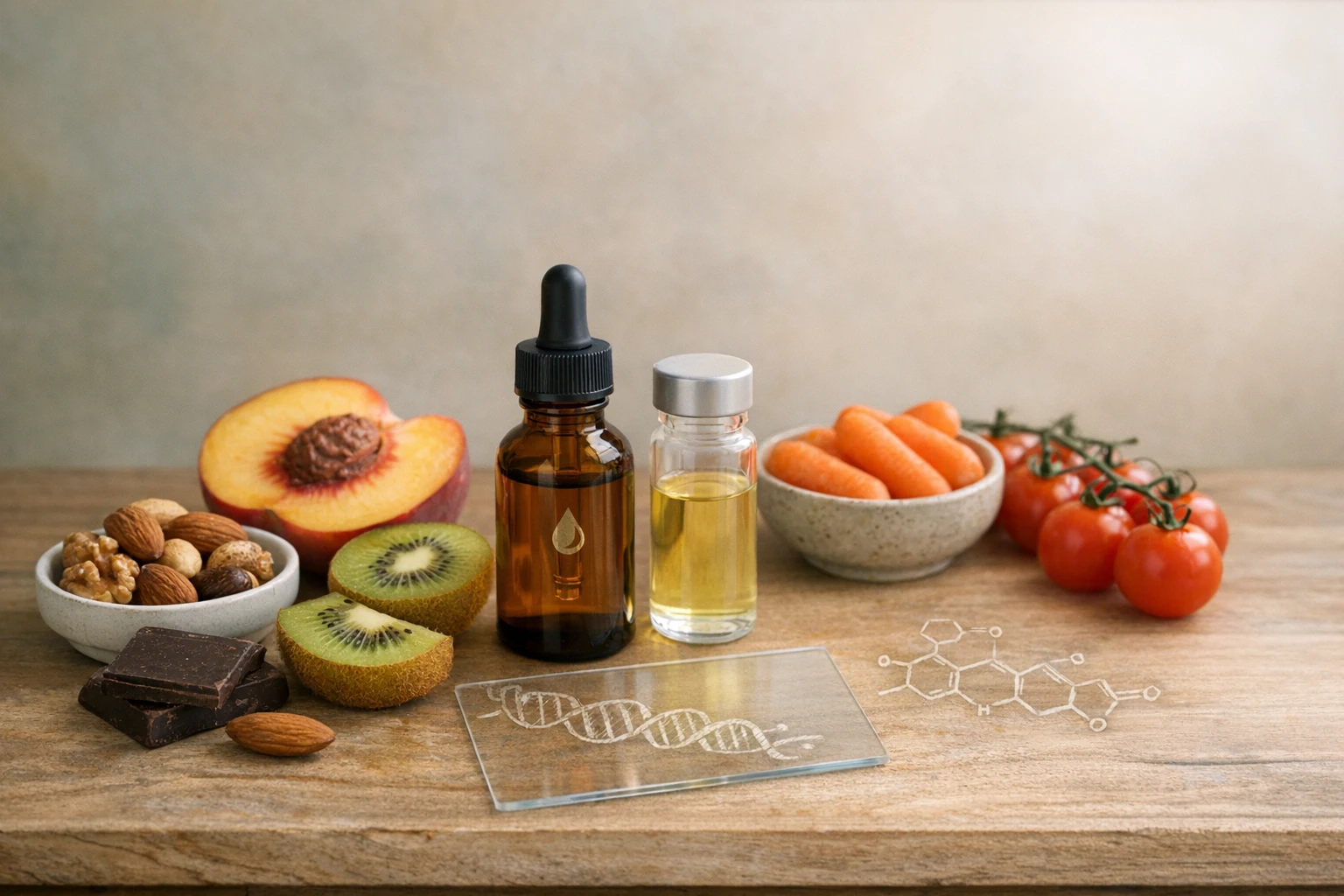
Updated and contextualized version of an article originally published on August 3, 2020
The article retains its original focus by presenting it through a scholarly and accessible perspective, supported by verifiable references.
Authors
- Dr. A. Conte – Biologist
- Roberto Panzironi –Independent researcher
Note editoriali
- First publication: August 3, 2020
- Last update: April 18, 2026
- Version: 2026 narrative revision
Editor's note: This article was originally published in the past and has been updated according to scientific and informative criteria. The information is for informational purposes only and does not replace medical advice.
IN BRIEF
- Vitamin D: largely produced through sun exposure; its deficiency is common in many populations, and observational associations with chronic diseases do not equate to proof of causality.
- Vitamin C: useful as a cofactor for collagen synthesis and with antioxidant effects; evidence supports topical benefits for some signs of photoaging and experimental evidence for its role in collagen synthesis after specific supplementation.
- Carotenoids and other dietary antioxidants (e.g., lycopene, lutein): can reduce sensitivity to UV-induced damage (less erythema) if taken regularly for weeks.
- Zinc: essential element for tissue repair and immune functions of the skin; supplementation plays a role mainly in cases of deficiency or specific clinical conditions.
MAIN SECTION
Abstract: what does science say?
Current scientific evidence indicates that nutrients such as vitamin D, vitamin C, carotenoids, and zinc participate in biological processes relevant to skin health: from collagen formation and maintenance to the modulation of oxidative stress induced by UV rays. Observational studies show associations between blood levels of vitamin D and various health outcomes; however, randomized clinical trials show that vitamin D supplementation does not provide universal benefits in preventing chronic diseases in non-deficient populations. For photoprotection, clinical and experimental evidence indicates that a diet rich in carotenoids or specific supplements can increase skin resistance to UV (less erythema) after a few weeks. Vitamin C has a recognized role in collagen biosynthesis, and experimental evidence supports both oral use concomitant with collagen precursors and topical applications with antioxidant and depigmenting effects in some clinical studies. Zinc is central to skin repair and maintenance, with stronger evidence in deficiency conditions. However, results vary based on dose, duration, substance form, and context (deficiency status, phototype, concomitant use of sunscreen). This picture requires cautious interpretation: much evidence comes from small studies, combined or observational interventions, and does not authorize absolute claims about the "protective" power of individual supplements.
Vitamin D: biological role, prevalence of deficiency, and limitations of evidence
Vitamin D is a fat-soluble prohormone that contributes to the regulation of calcium metabolism and bone health; it is mainly synthesized in the skin following exposure to UVB rays and can be taken in limited quantities with some foods. Analysis of standardized European data shows that insufficient levels are frequent in many areas and population groups, especially in seasons with less solar radiation and in people with darker skin or limited outdoor exposure [1].
Many epidemiological studies have found associations between low serum levels of 25-hydroxyvitamin D and a higher incidence of chronic diseases (infections, cardiovascular diseases, some forms of dementia, etc.), but associations do not automatically demonstrate causality. Large randomized trials have provided more restrictive results: for example, a large-scale clinical study did not show a reduction in cardiovascular events or cancer incidence with routine vitamin D supplementation in unselected populations, highlighting the difference between observational association and the demonstrated effect of an intervention [2].
In summary, vitamin D is crucial for bones and metabolism; deficiency is widespread and deserves clinical attention in at-risk individuals, but generalized supplementation as a preventive strategy for chronic diseases is not uniquely supported by current evidence. It is important to distinguish between indications for correcting a documented deficiency and expectations of generalized benefits in non-deficient populations [1][2].
Vitamin C: mechanisms for the skin and evidence on oral and topical use
Vitamin C (ascorbic acid) is an essential cofactor for enzymatic reactions that synthesize collagen and performs antioxidant functions in skin tissue. Experimental studies and small clinical trials indicate that the availability of vitamin C can facilitate the synthesis of extracellular matrix components, with potential favorable effects on skin tone and repair [6].
A controlled trial showed that the administration of gelatin enriched with vitamin C before intermittent activity increases biochemical markers associated with collagen synthesis, suggesting that temporary supplementation in specific contexts (e.g., before repair interventions or high-impact activities) can modulate biological results [6].
For topical application, recent systematic reviews report that stable vitamin C formulations can improve signs of photoaging (e.g., radiance, some dyschromia) and contribute to the prevention of oxidative damage when properly formulated and used long-term; however, the quality and duration of studies vary, and the stability of the molecule is a critical factor for topical efficacy [7].
Carotenoids and other antioxidants: effects on photoprotection and tanning
Carotenoids (β-carotene, lycopene, lutein, astaxanthin) and other dietary antioxidants can accumulate in the skin and help limit oxidative stress induced by UV rays. Literature reviews and international studies indicate that specific dietary or supplementary regimens with carotenoids reduce skin sensitivity to UV, measured as experimentally induced erythema, after weeks of regular intake [3].
Controlled clinical research reports clinically detectable effects: supplementation with carotenoid mixtures reduced erythema after 8–12 weeks in some trials [4], and foods rich in lycopene such as tomato concentrate have shown significant decreases in erythema and molecular signs of UV damage after 10–12 weeks of intake [5]. These results suggest that the effect depends on dose and duration: skin accumulation is not immediate and requires a period of continuous treatment.
It is important to remember that such interventions do not replace physical or chemical sun protection and that in the past, very high doses of β-carotene in smoking populations have shown adverse effects; therefore, caution regarding doses and clinical context is necessary [3][4][5].
Zinc and minerals: role in skin repair and defense
Zinc is an essential trace element involved in many biological pathways relevant to the skin: regulation of inflammatory response, enzymatic functions in tissue repair, cell proliferation, and immune defense. Recent reviews synthesize mechanistic and clinical evidence linking zinc to improved wound healing in deficiency conditions and in some specific clinical scenarios [8].
Systemic or topical zinc supplementation shows clearer benefits in deficient individuals or in contexts of injury (burns, ulcers), while evidence supporting preventive use in individuals with adequate nutritional status is less consistent. As with other micronutrients, excess can lead to risks and interactions (e.g., with copper); therefore, targeted use after evaluation is preferable [8].
PRACTICAL SECTION
What it means in practice
For those who wish to prepare their skin for sun exposure or improve skin quality, the evidence suggests complementary but not miraculous approaches. A diet rich in fruits, colorful vegetables, and balanced protein sources provides carotenoids, vitamin C, zinc, and other micronutrients useful for skin structure and defense. Regular intake of carotenoid-rich foods (cooked tomatoes, carrots, yellow-orange fruits, berries) can increase skin resilience to UV within weeks. Well-formulated topical vitamin C applications can help even out skin tone and protect against oxidative damage; the effect is progressive and depends on the stability and concentration of the product. Vitamin D should be considered based on the risk of deficiency: measuring serum levels and evaluating supplementation or controlled sun exposure with medical guidance is the correct approach. Zinc is relevant in the presence of lesions or documented deficiency. Finally, physical protection measures (sunscreen, clothing, exposure times) remain the primary strategy for reducing acute and chronic sun damage.
KEY POINTS TO REMEMBER
- Vitamin D: important for bones and metabolism; deficiency is common and should be assessed with specific tests, but generalized supplementation does not guarantee preventive benefits for all chronic diseases. [1][2]
- Vitamin C: supports collagen synthesis; experimental and clinical evidence suggests benefits for both oral use in selected contexts and topical applications for signs of photoaging. [6][7]
- Carotenoids and lycopene: regular intake can reduce skin sensitivity to UV and decrease erythema after weeks. They do not replace sun protection. [3][4][5]
- Zinc: essential for skin repair; supplementation is indicated in cases of deficiency or specific clinical conditions. [8]
- Sun protection and behaviors: remain the main measures to prevent sun damage and skin cancers; supplementation or diet can be complementary but not alternative. [3]
Limitations of evidence
Available evidence includes observational studies, small clinical studies, short-term trials, or combined interventions (mixtures of nutrients), which limit the ability to infer strong causal relationships. Observational studies show associations but can be influenced by confounding factors (lifestyle, sun exposure, overall nutritional status). Large randomized trials provide the best level of evidence for the effectiveness of supplementation: the example of a large vitamin D trial highlights how positive epidemiological results do not automatically translate into universal clinical benefits with supplementation in non-deficient populations [2].
Other recurring methodological limitations are: small sample sizes, short intervention duration compared to the time needed for skin accumulation, use of mixtures instead of single active ingredients, heterogeneity of outcome measures (e.g., experimental erythema vs. clinical events). Individual variables (phototype, nutritional status, age, smoking, medications) modify the response and explain the variability between studies. For this reason, every interpretation must be cautious and contextualized to the individual patient or population.
Editorial conclusion
Nutrients such as vitamin D, vitamin C, carotenoids, and zinc play important biological functions for the skin and can contribute, in specific contexts, to improving skin resilience and some signs of photoaging. The best strategy remains an integrated approach: a diet rich in plant foods, efficient sun protection, medical evaluation of nutritional status (especially for vitamin D and zinc), and targeted use of well-formulated topical products. The evidence suggests potential but also limitations: absolute claims or therapeutic promises based on single supplements without clinical evaluation are not justified. For personal or therapeutic decisions, consult your doctor or trusted healthcare professional.
EDITORIAL NOTE
This text is an update of previously published content. It has been revised according to criteria of scientific rigor and institutional informative style. The article is for informational purposes only and does not replace personalized medical consultation. For specific clinical information, consult your doctor.
SCIENTIFIC RESEARCH
- Cashman KD, Dowling KG, Škrabáková Z, et al. Vitamin D deficiency in Europe: pandemic? American Journal of Clinical Nutrition. 2016;103(4):1033–1044. https://doi.org/10.3945/ajcn.115.120873
- Manson JE, Cook NR, Lee IM, et al.; VITAL Research Group. Vitamin D Supplements and Prevention of Cancer and Cardiovascular Disease. New England Journal of Medicine. 2019;380(1):33–44. https://doi.org/10.1056/NEJMoa1809944
- Parrado C, Philips N, Gilaberte Y, Juarranz A, González S. Oral Photoprotection: Effective Agents and Potential Candidates. Frontiers in Medicine. 2018;5:188. https://doi.org/10.3389/fmed.2018.00188
- Evans JR, Johnson EJ. Carotenoid supplementation reduces erythema in human skin after simulated solar radiation exposure. Journal of the American College of Nutrition. 2000;19(3):170–174. https://doi.org/10.1046/j.1525-1373.2000.22323.x
- Stahl W, Sies H, et al. Dietary tomato paste protects against ultraviolet light-induced erythema in humans. Journal of Nutrition. 2001;131(5):1449–1453. https://doi.org/10.1093/jn/131.5.1449
- Shaw G, Lee‑Barthel A, Ross MLR, Wang B, Baar K. Vitamin C–enriched gelatin supplementation before intermittent activity augments collagen synthesis. American Journal of Clinical Nutrition. 2017;105(1):136–143. https://doi.org/10.3945/ajcn.116.138594
- Correia G, Magina S. Efficacy of topical vitamin C in melasma and photoaging: a systematic review. Journal of Cosmetic Dermatology. 2023;22(7):1938–1945. https://doi.org/10.1111/jocd.15748
- Lin P‑H, Sermersheim M, Li H, Lee PHU, Steinberg SM, Ma J. Zinc in Wound Healing Modulation. Nutrients. 2018;10(1):16. https://doi.org/10.3390/nu10010016
[If some bibliographic details or specific information were missing, placeholders in square brackets have been left in this document: [ ] ]